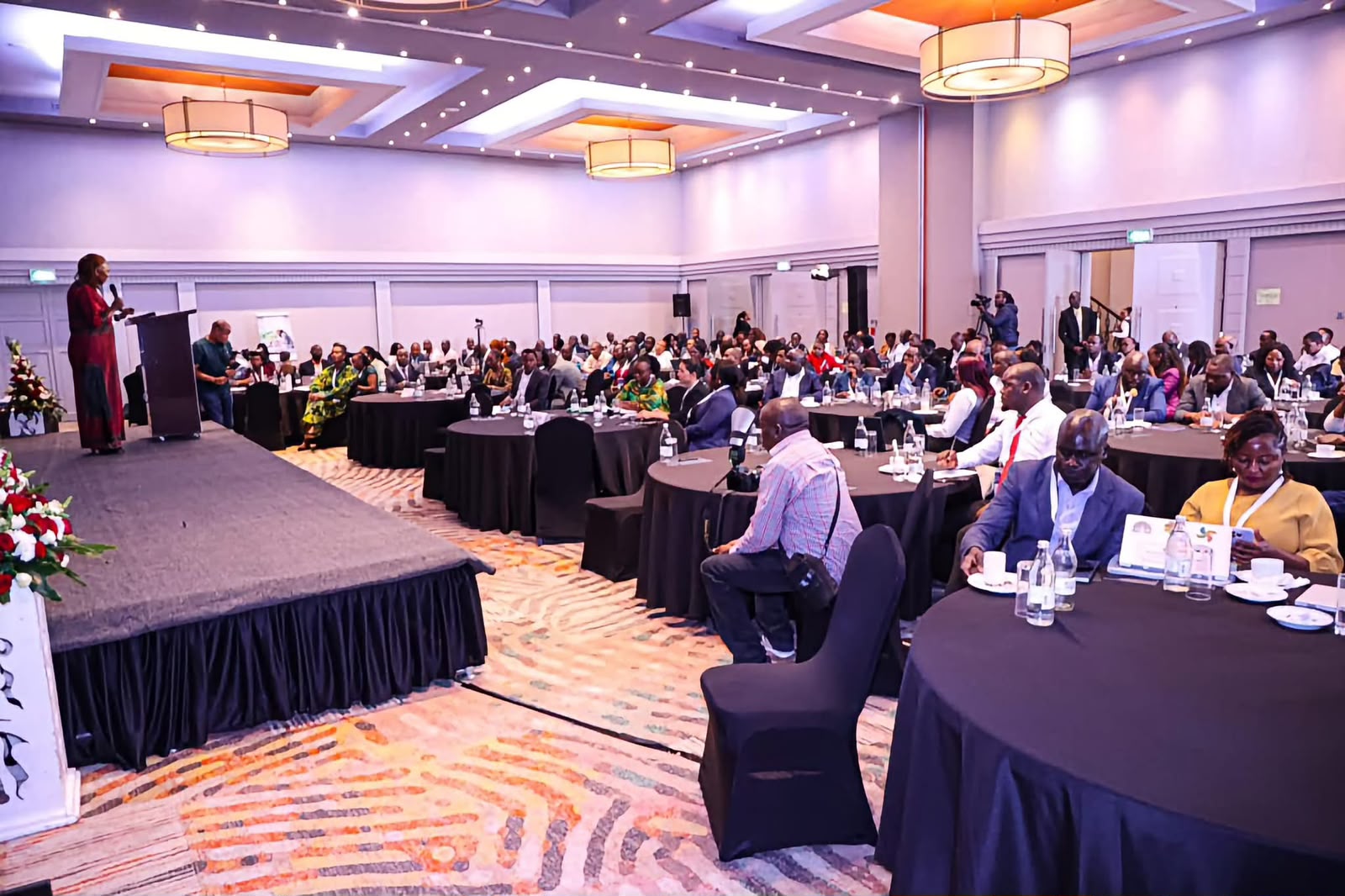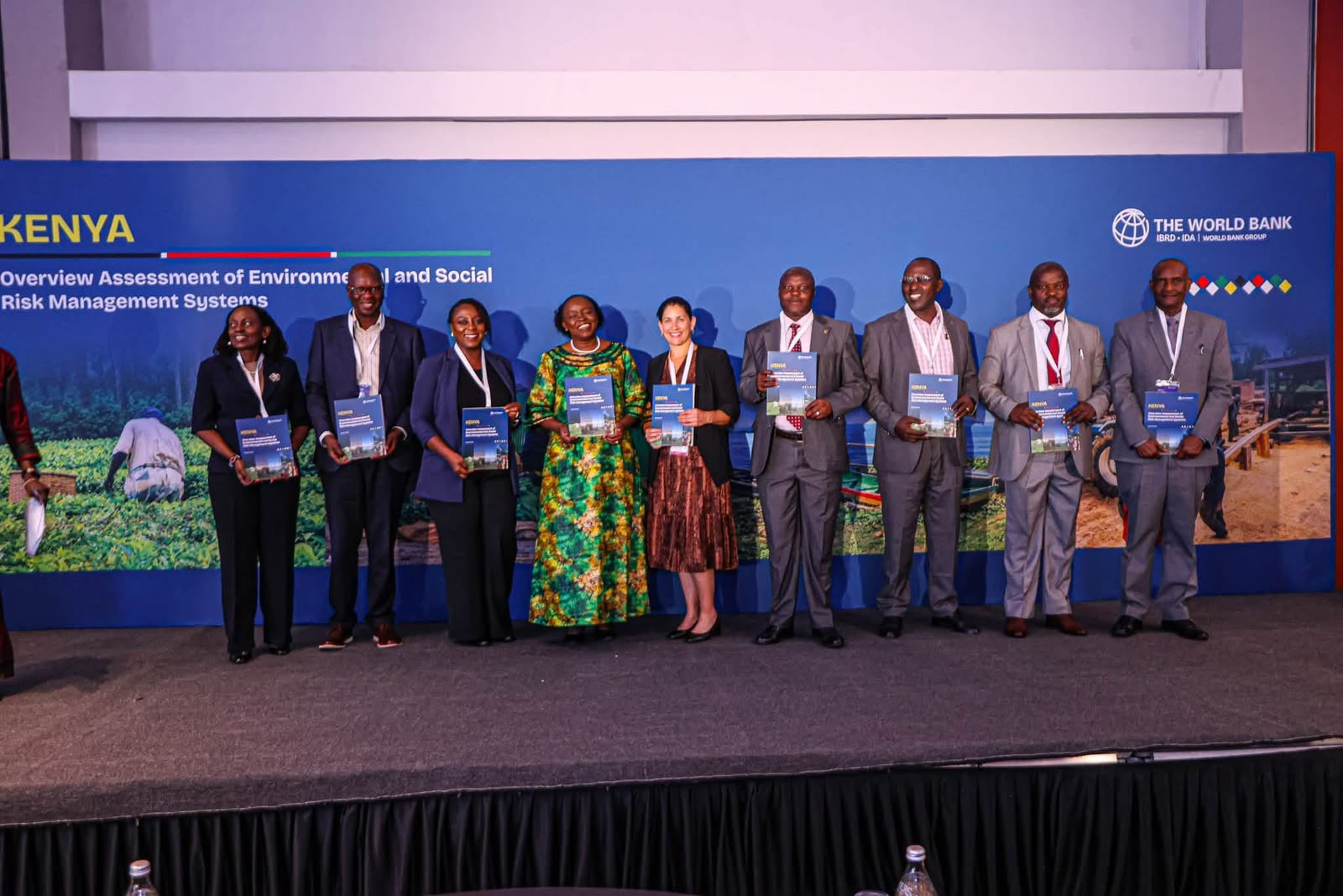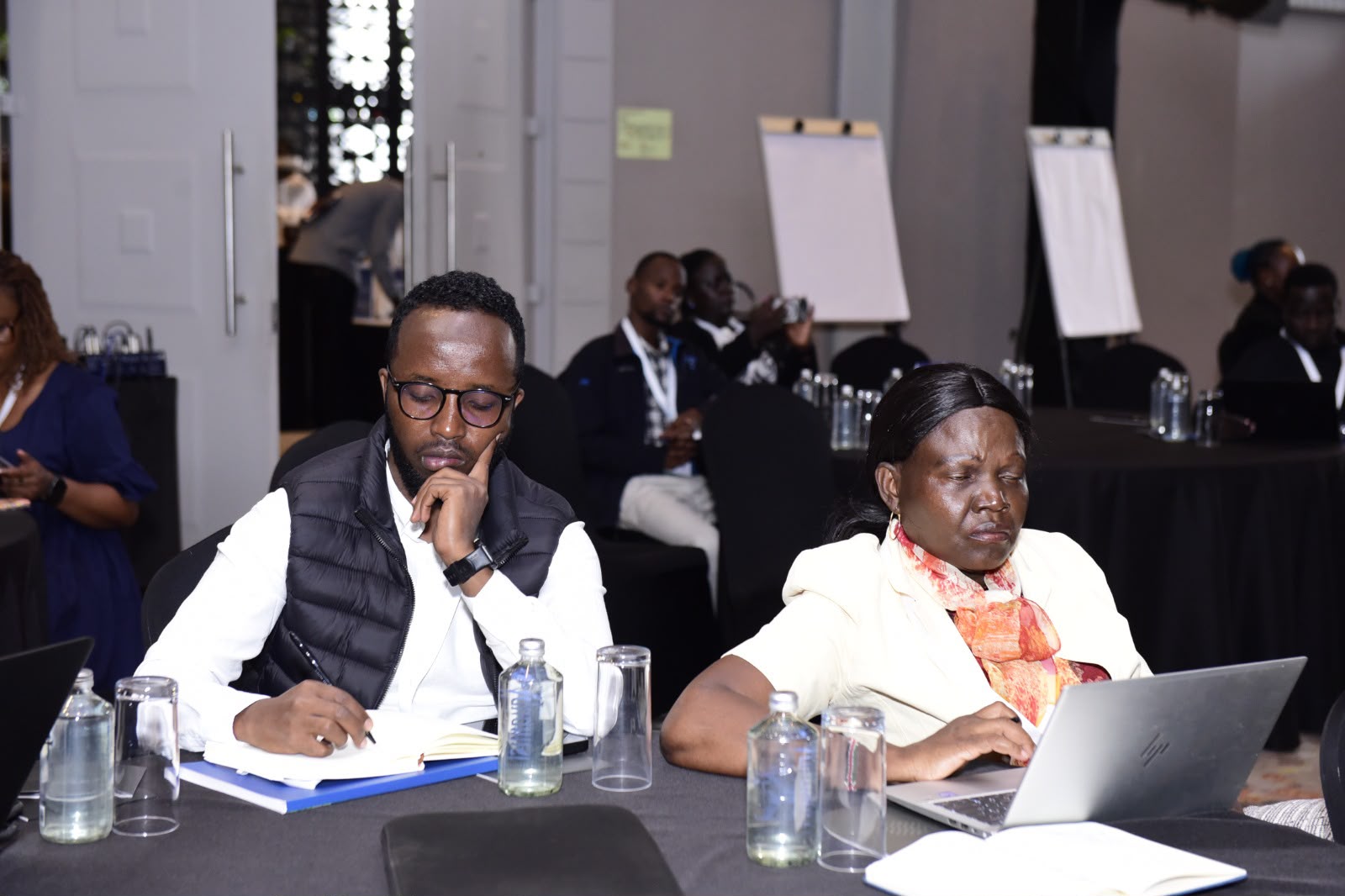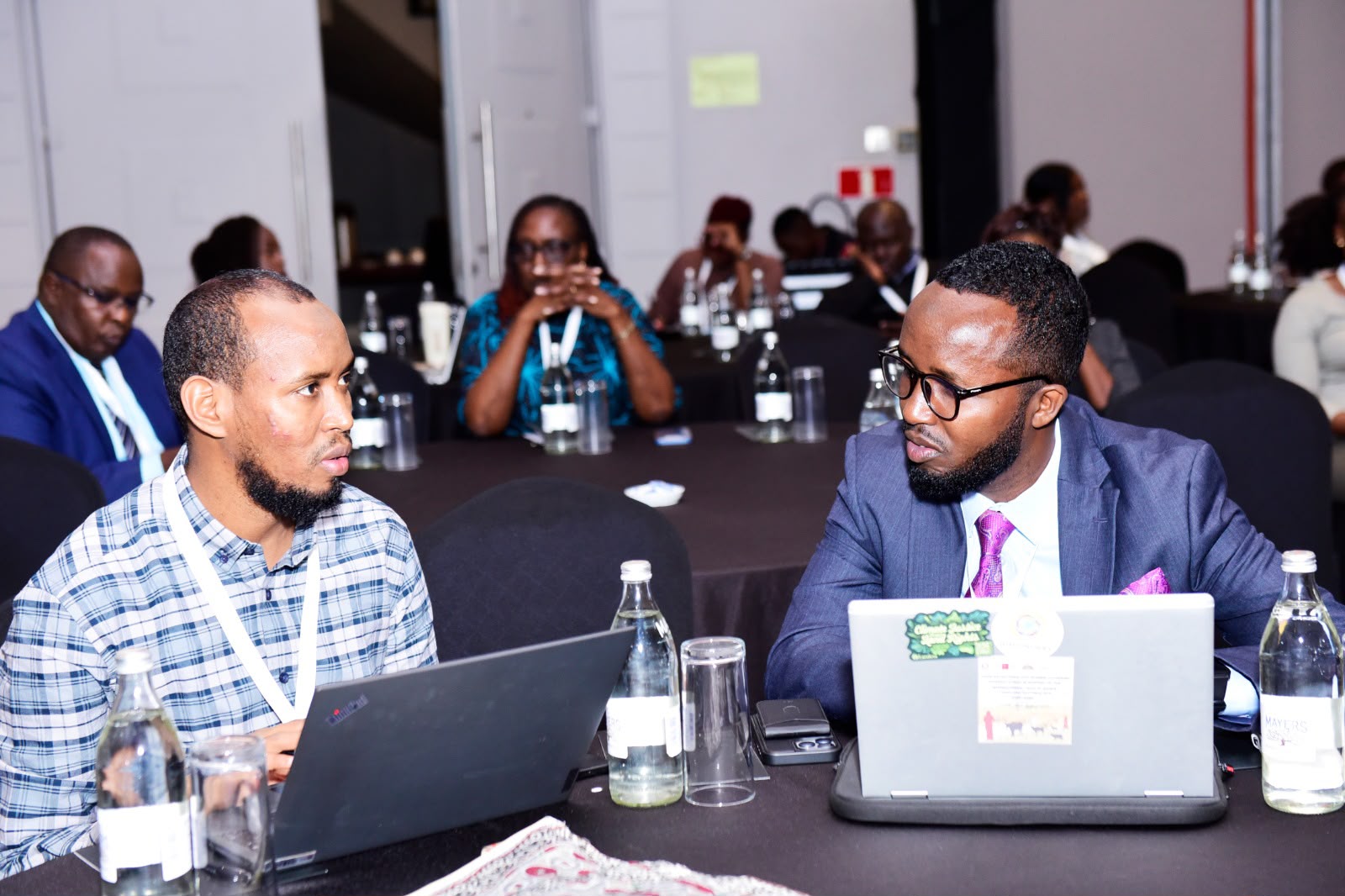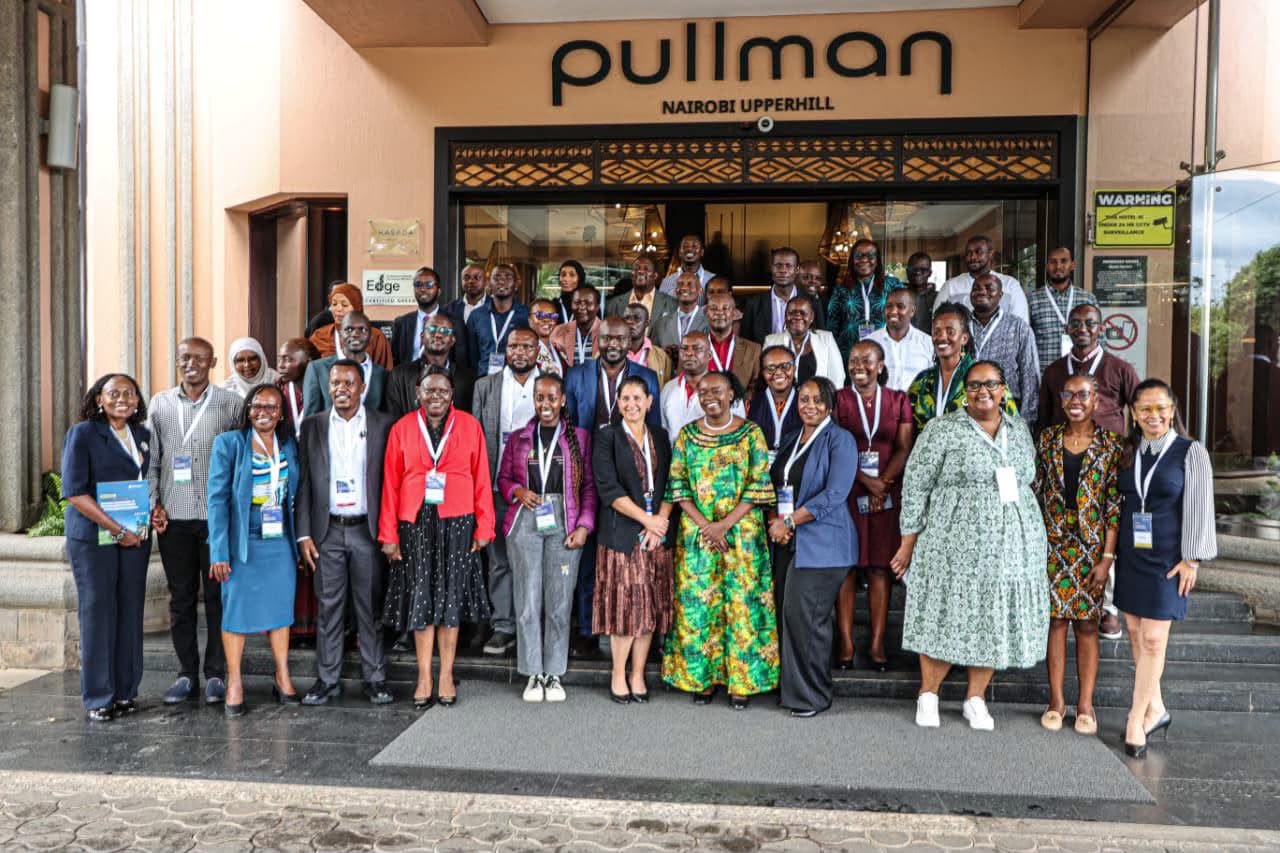
The Horn of Africa Organization for Indigenous Peoples (HOA-OIP) participated in the official launch of Kenya’s Overview Assessment of Environmental and Social Risk Management Systems, an important initiative aimed at strengthening environmental protection, social safeguards and sustainable development in Kenya.
The launch brought together representatives of the Government of Kenya, county governments, development partners, civil society organizations and technical institutions to deliberate on strengthening environmental and social risk management in the implementation of development programmes and projects.
In her keynote address, the Cabinet Secretary for Environment, Climate Change and Forestry, Dr. Deborah Mlongo Barasa, EGH, emphasized the importance of ensuring that Kenya’s ambitious development agenda delivers sustainable economic opportunities while safeguarding people, natural resources and the environment.
She highlighted that environmental and social safeguards should not be viewed as obstacles to development, but rather as essential foundations for responsible, inclusive and sustainable economic growth.
The assessment recognizes Kenya’s existing constitutional, legislative and institutional frameworks, including environmental laws, the National Environment Management Authority (NEMA), environmental impact assessment processes and public participation mechanisms. However, it also underscores the need to strengthen implementation, institutional coordination, accountability and monitoring throughout the project cycle.
HOA-OIP recognizes that all ten Environmental and Social Standards (ESS1–ESS10) under the World Bank Environmental and Social Framework are critical and interconnected in ensuring that development projects are environmentally sustainable, socially responsible and respectful of human rights.
The ten standards collectively address environmental and social risk assessment and management, labour and working conditions, resource efficiency and pollution prevention, community health and safety, land acquisition and involuntary resettlement, biodiversity conservation, indigenous peoples’ rights, cultural heritage, financial intermediaries, and stakeholder engagement and information disclosure.
HOA-OIP emphasizes that effective implementation of all ten standards is essential in ensuring that development interventions do not create unintended harm, deepen existing inequalities or undermine the rights and livelihoods of vulnerable and marginalized populations.
However, given the particular challenges facing indigenous peoples, pastoralist communities and historically underserved traditional local communities across Kenya and the wider Horn of Africa, HOA-OIP places particular emphasis on ESS5, ESS7 and ESS10.
1. ESS5: Land Acquisition, Restrictions on Land Use and Involuntary Resettlement
For indigenous peoples and pastoralist communities, land is not merely an economic asset; it is the foundation of their livelihoods, cultural identity, traditional knowledge, social organization and intergenerational heritage.
Development projects involving infrastructure, extractive industries, conservation initiatives and other investments can result in displacement, loss of access to ancestral territories, restrictions on communal grazing areas and reduced access to essential natural resources.
HOA-OIP emphasizes the importance of safeguarding customary land tenure systems, preventing unnecessary displacement, ensuring fair compensation and restoring the livelihoods of affected communities.
Development interventions must recognize communal land ownership, traditional resource-management systems and the rights of communities whose livelihoods depend on access to land, water and natural resources.
The organization further stresses that affected communities must be meaningfully involved in decisions concerning land acquisition, resettlement, compensation and livelihood restoration.
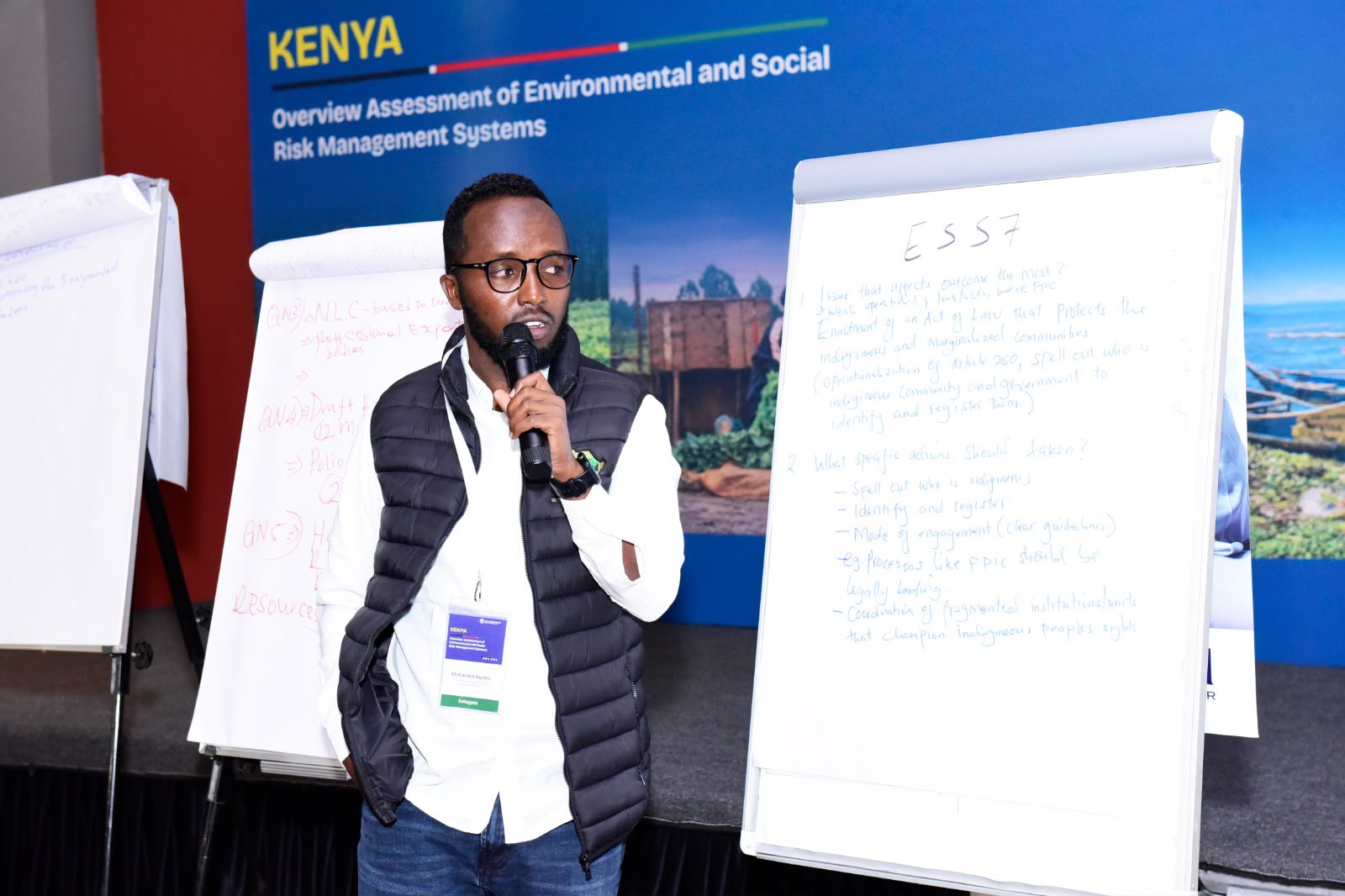
2. ESS7: Indigenous Peoples/Sub-Saharan African Historically Underserved Traditional Local Communities
ESS7 is particularly significant to HOA-OIP’s mandate and advocacy work.
The standard recognizes the distinct identities, cultures, traditional institutions, livelihoods and relationships with ancestral territories of indigenous peoples and historically underserved traditional local communities.
HOA-OIP emphasizes that development interventions affecting these communities must respect their collective interests, cultural heritage, traditional knowledge, customary institutions and development priorities.
Of particular importance is the principle of Free, Prior and Informed Consent (FPIC), which applies in the specific circumstances outlined under ESS7.
These include certain impacts on traditionally owned or customarily used lands and natural resources, relocation from such lands, and significant impacts on critical cultural heritage.
HOA-OIP calls for development approaches that recognize indigenous peoples as rights-holders and active participants in shaping their own development pathways rather than merely treating them as project beneficiaries.
Their representative institutions must be respected, consultations must be culturally appropriate, and their voices must meaningfully influence decisions affecting their territories, resources and future.
HOA-OIP further calls for stronger recognition of indigenous peoples’ traditional governance systems, customary resource-management practices and knowledge in environmental protection and sustainable development.
3. ESS10: Stakeholder Engagement and Information Disclosure
Meaningful stakeholder engagement is fundamental to accountable, transparent and sustainable development.
ESS10 provides an important framework for ensuring that affected communities have timely access to project information and meaningful opportunities to participate in decisions throughout the development project cycle.
HOA-OIP emphasizes that indigenous peoples, pastoralist communities, women, youth, persons with disabilities and other marginalized groups must be adequately represented in development consultations and decision-making processes.
Engagement must be inclusive, culturally appropriate, accessible and conducted in languages that affected communities understand.
Furthermore, accessible and effective grievance redress mechanisms must be established to enable communities to raise concerns, seek remedies and receive timely responses without intimidation, discrimination or retaliation.
For HOA-OIP, meaningful participation must extend beyond consultation meetings. Communities must have genuine opportunities to influence project design, implementation, monitoring and evaluation.
HOA-OIP believes that development cannot be considered truly inclusive when communities directly affected by projects are excluded from decisions concerning their land, resources, livelihoods and cultural heritage.
While HOA-OIP places particular emphasis on ESS5, ESS7 and ESS10, the organization recognizes that all ten standards are equally important components of a comprehensive environmental and social risk management framework.
ESS1 provides the foundation for assessing and managing environmental and social risks. ESS2 protects workers and promotes safe and fair working conditions. ESS3 addresses resource efficiency and pollution prevention, while ESS4 safeguards community health and safety.
ESS6 promotes biodiversity conservation and the sustainable management of natural resources. ESS8 protects cultural heritage, including sacred sites and traditional cultural practices. ESS9 strengthens environmental and social risk management within financial intermediaries.
Together with ESS5, ESS7 and ESS10, these standards provide an integrated framework for ensuring that development projects respect human rights, protect the environment, recognize cultural diversity and promote equitable development.
HOA-OIP therefore calls for consistent application, effective monitoring and enforcement of all ten standards, with particular attention to the rights and circumstances of indigenous peoples and historically underserved communities.
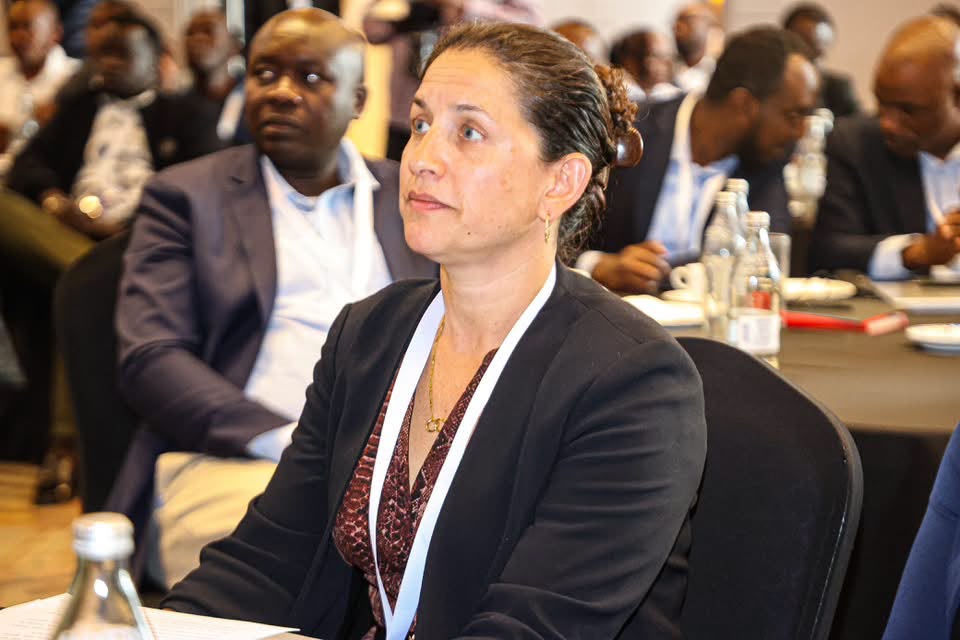
Speaking during the event, World Bank Group Environmental and Social Policy and Operations Director, Kate Wallace, commended Kenya for its existing institutional foundations and reaffirmed the World Bank Group’s commitment to supporting capacity building, coordination and effective implementation.
HOA-OIP welcomes the engagement of government institutions, development partners, civil society organizations and other stakeholders in advancing this important agenda.
We believe that effective environmental and social risk management requires strong institutions, transparent governance, accountability and meaningful community participation throughout the development project cycle.
For indigenous and pastoralist communities, particularly those living in arid and semi-arid regions, environmental and social safeguards are critical to protecting ancestral territories, securing livelihoods, preserving cultural heritage and ensuring equitable access to development opportunities.
HOA-OIP calls for stronger collaboration between government institutions, development partners, civil society and indigenous peoples’ organizations to ensure that environmental and social safeguards are effectively implemented, monitored and enforced.
HOA-OIP reaffirms its commitment to engaging with relevant institutions and community stakeholders to advance indigenous peoples’ rights, strengthen community participation and promote development that is socially just, environmentally sustainable and responsive to the needs of marginalized populations.
Sustainable development must not only transform economies; it must protect communities, secure their land and resource rights, preserve their cultures and safeguard the environment for present and future generations.
The voices, rights and priorities of indigenous peoples must be at the centre of every development process that affects their lives and territories.